
11 Mar 2026
4 Minutes
Creating for Print: A New Workflow
From concept to publication, this is what magazine work taught us about doing it properly.
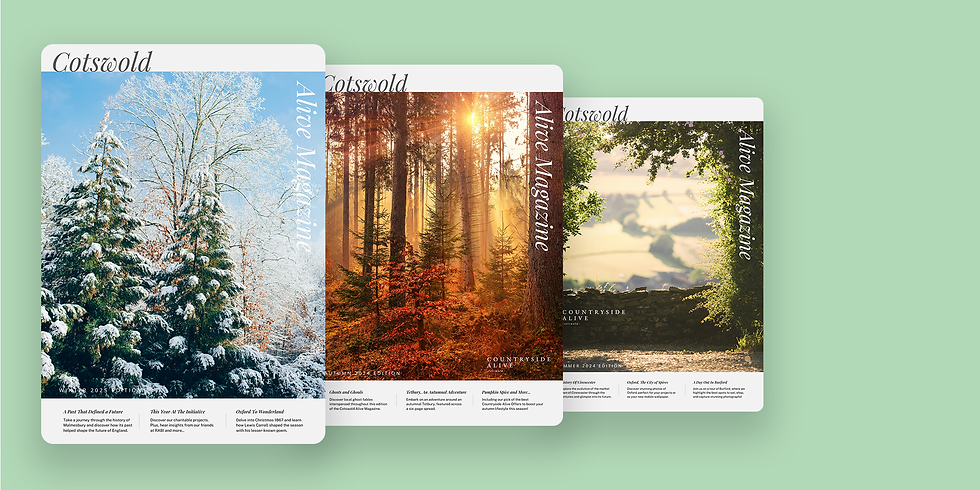
Working within a magazine environment changes how you think about creative output. Unlike digital platforms, where content is often immediate and iterative, print introduces constraint. Deadlines are fixed. Space is limited. Every decision carries more weight because once it is published, it is final.
Between 2024 and 2025, Humans Made This operated as both a creative partner and lead developer on a multimedia project that extended across four seasonal editions. Each release followed a structured cadence, combining editorial writing, photography, and visual direction.
Magazine work is often misunderstood as purely creative, but in practice, it is heavily operational. Timelines need to be met. Content needs to align across formats. Teams need direction. Without structure, the quality of output quickly deteriorates.
That balance, between creativity and control, is where the real challenge lies. The Exposure series emerged from this environment. Featured across multiple editions, it focused on documenting locations across the UK with a consistent visual identity. From Malmesbury to York, the aim was not simply to capture places, but to interpret them in a way that felt cohesive within the broader publication.
This required a different approach to photography so that images needed to work not only on their own, but within a sequence. They had to support written content, contribute to layout decisions, and align with the tone of the magazine as a whole. It is a more disciplined process, where individual creativity is balanced against collective output.
There is less room for excess. Each image needs to justify its place. Composition, lighting, and subject all become more deliberate. Over time, this builds a more refined way of working, one that carries over into other areas.
A strong image is valuable, but within a magazine, it needs context. It needs to sit within a broader story. Whether that is a feature on a location, a profile of a business, or a thematic collection, the visual work becomes part of something larger.
That perspective remains central to Humans Made This.
Even outside of print, the idea of building collections rather than isolated images continues to shape the work. Each project is approached with an awareness of how individual pieces connect and how they contribute to an overall narrative.
The magazine experience also highlighted something more fundamental, and that is that quality is not accidental. It is the result of structure, consistency, and attention to detail across every stage of production. From initial concept through to final output, each step matters. And when that process is managed properly, the result reflects it.
The work produced during this period, particularly across regions such as the Cotswolds, stands as a benchmark. Not just for visual quality, but for the way it was developed.
Whether it’s a single photograph, a digital collection, or a full editorial project, the objective remains the same: To create work that holds up, both visually and structurally. And to ensure that every output, regardless of format, reflects the same level of thought behind it.